









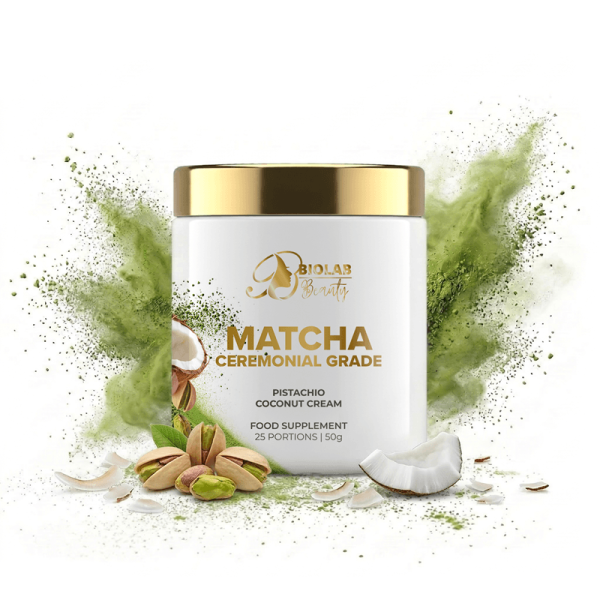


What are superfoods, and why should you eat them?
Eating well is not only about limiting harmful ingredients, but also about introducing beneficial ones. One such category gaining popularity is the superfood: a term widely used to describe nutrient-dense foods with potential health-supporting properties.
From the article, you will learn:
- A clear explanation of what superfoods are
- What is commonly included in a superfoods list
- How to use superfood powder and its potential advantages
- Tips for including superfoods in daily nutrition
- Clarification around common myths
- How BIOLAB ensures product quality through verified transparency
Understanding what superfoods are
Before including them in your diet, it’s important to understand what superfoods are. While not a regulated scientific term, “superfood” generally refers to natural foods that contain high concentrations of vitamins, minerals, antioxidants, fibre, and other nutrients with potential health benefits. These foods do not perform miracles, but they do offer meaningful support to a balanced nutritional plan.
A superfood may support areas like immune function, digestion, or cardiovascular health. For example, leafy greens such as kale contain Vitamin K and folate, while berries like blueberries are rich in polyphenols, which are antioxidants. Fatty seeds, like flax or chia, contain alpha-linolenic acid, a plant-based form of omega-3 fatty acids.
Unlike single-nutrient supplements, superfoods contribute a complex nutritional profile. They are not a replacement for a varied diet, but an effective enhancement to it. Integrating these foods is a practical way for people seeking to improve nutrient intake from whole foods.
What appears on most superfoods lists
While the term itself is broad, there is some consistency in what is featured on a superfoods list. Most often, these foods are plant-based, though not exclusively. The key is nutrient density and the presence of natural compounds linked to general health.
Some of the most frequently included items are:
- Berries such as acai, blueberry, goji, and cranberry
- Leafy greens, including kale, spinach, and Swiss chard
- Fermented foods like kefir or kimchi (rich in probiotics)
- Legumes such as lentils and black beans
- Nuts and seeds: almonds, chia, flaxseed
- Seaweed and algae: spirulina, chlorella
- Roots and spices: turmeric, ginger
A list of superfoods may also include fish like wild salmon for their omega-3 content and eggs for their choline content. However, plant-based options tend to dominate due to their concentration of fibre, phytonutrients, and antioxidants.
It is important to note that health effects depend on overall diet and lifestyle, not on individual foods. However, these nutrient-rich choices can make a meaningful contribution to your daily nutrition strategy.
The advantages of using superfood powders
One of the most convenient ways to add variety to your diet is to incorporate superfood powder into meals. These powders are typically created through a dehydration and grinding process that preserves much of the original nutrient content while making them shelf-stable and easy to use.
Examples of commonly used powders include:
- Wheatgrass powder, known for its chlorophyll and fibre
- Maca root powder, often included for its micronutrients
- Spirulina or chlorella powders, valued for plant protein and iron
- Beetroot powder, which may support nitric oxide production
The advantage of using a superfood powder lies in its flexibility. You can add a teaspoon to smoothies, yoghurt, or porridge without needing to cook or prepare the food extensively. This is particularly helpful for people with limited time or access to fresh ingredients.
However, quality varies significantly between producers. Some powders contain added fillers or flavours that diminish nutritional value. That’s why checking composition and sourcing is essential. Opt for brands that prioritise ingredient integrity and transparent labelling.
Practical ways to incorporate superfoods into your diet
Introducing superfood ingredients does not require a major shift in your dietary habits. Often, small adjustments can lead to more nutritionally balanced meals without increasing time spent in the kitchen.
Here are some strategies:
- Add berries (fresh or frozen) to oatmeal, muesli, or salads
- Use a superfood powder like spirulina or moringa in smoothies
- Sprinkle ground flaxseed into yoghurt, baking recipes, or soups
- Add turmeric and black pepper to cooked dishes for a functional spice blend
- Replace white rice with quinoa or buckwheat for more minerals and protein
Integrating items from a superfoods list can gradually enhance the nutrient profile of your meals. Importantly, this doesn’t have to be complicated or costly. Even widely available options like oats, carrots, and legumes provide substantial nutritional value.
The key is consistency. Using one or two such ingredients per day—rather than overhauling your entire menu—is a practical and sustainable approach.
Addressing common misconceptions
There are many misconceptions about superfoods, often driven more by marketing than by nutritional evidence. It’s important to clarify these points so consumers can make informed choices.
Common myths include:
- All superfoods are exotic and expensive – Not true. Many local vegetables, grains, and seeds meet the nutritional criteria for being considered superfoods.
- They cure or prevent diseases – While superfoods support various functions, they are not treatments and should not be viewed as medical solutions.
- You need dozens in your diet – A small number of carefully selected items used regularly is more effective than chasing large quantities.
- Superfood powders are always better than whole foods – High-quality powders can be beneficial, but fresh food still plays a crucial role in dietary balance.
Understanding what superfoods are means recognising them as part of a wider lifestyle approach, not a shortcut to perfect health. Choosing quality, consistent, balanced meals will always yield better outcomes than relying on any single product.
Why choosing trusted sources matters
In the health supplement market, transparency and verified quality are becoming increasingly important. With so many products labelled as “natural” or “pure,” it can be difficult to distinguish between high-quality supplements and low-grade imitations.
BIOLAB – quality confirmed by research! At BIOLAB, we go beyond standard claims. Our approach includes sharing independent lab analysis, including verified concentration levels—not just purity. The common industry standard, known as “HPLC testing,” often reveals only the presence of a substance, not its concentration. This distinction is crucial.
BIOLAB is currently among the top in the market because we:
- Share direct access to lab results from certified laboratories
- Display active compound concentration, not just presence
- Operate with full transparency in ingredient sourcing
This means customers can verify for themselves what they are buying. It is no accident that we have built a loyal customer base in a relatively short time. We prioritise:
- Development
- Quality
- Market variety
- Reliable testing procedures
These principles apply across all our categories, including those related to superfood and functional nutrition products.
FAQ
Are superfoods essential to a balanced diet?
No, they are not required, but they can significantly enhance the overall quality of your diet due to their dense nutritional profile.
What are easy ways to start using superfoods?
Begin by incorporating a few items from a superfoods list into your current meals, such as adding chia seeds to smoothies or spinach to pasta dishes.
Can superfood powders replace whole vegetables?
Superfood powder can supplement your intake, but it should not fully replace fresh produce. Both serve different functions in a complete diet.
How can I ensure a product is high quality?
Check if the brand provides concentration data, sourcing information, and detailed lab reports. Avoid vague or generic product descriptions.
Are superfoods only plant-based?
Most are, but some animal-derived foods, such as salmon and eggs, are sometimes included due to their high content of essential nutrients.
Posted in:
Tips

Related posts
-
 Which supplements for weight loss - what's the best choice?
Weight loss is a process whose effectiveness depends on the calorie deficit developed. The most important issue is...Read more
Which supplements for weight loss - what's the best choice?
Weight loss is a process whose effectiveness depends on the calorie deficit developed. The most important issue is...Read more -
 Which gym supplements to choose? - beginners guide
First visits to the gym are a time when our motivation is at a really high level. The vision of a sculpted physique...Read more
Which gym supplements to choose? - beginners guide
First visits to the gym are a time when our motivation is at a really high level. The vision of a sculpted physique...Read more -
 How do joint supplements work and when should you take them?
Joint pain is a common problem that affects many people, regardless of age. In many cases, it is caused by overload...Read more
How do joint supplements work and when should you take them?
Joint pain is a common problem that affects many people, regardless of age. In many cases, it is caused by overload...Read more -
 What does ashwagandha help with and how does it work?
Withania somnifera or Indian ginseng is a medicinal plant from regions of the Indian subcontinent. It is more...Read more
What does ashwagandha help with and how does it work?
Withania somnifera or Indian ginseng is a medicinal plant from regions of the Indian subcontinent. It is more...Read more -
 What are fat burners and how do they work?
People who want to reduce quickly are looking for various ways to speed up the entire process. One of them are fat...Read more
What are fat burners and how do they work?
People who want to reduce quickly are looking for various ways to speed up the entire process. One of them are fat...Read more -
 Why and when is it worth using supplements and nutrients?
Supplements, according to their classification, supplement the diet in case of deficiencies of specific ingredients...Read more
Why and when is it worth using supplements and nutrients?
Supplements, according to their classification, supplement the diet in case of deficiencies of specific ingredients...Read more -
 Are fat burners safe?
Fat burners are supplements that work by accelerating the reduction of fat tissue accumulated in the body. Such...Read more
Are fat burners safe?
Fat burners are supplements that work by accelerating the reduction of fat tissue accumulated in the body. Such...Read more -
 AAKG – facts and myths
AAKG, or L-arginine alpha-ketoglutarate, is a dietary supplement that is popular among physically active people...Read more
AAKG – facts and myths
AAKG, or L-arginine alpha-ketoglutarate, is a dietary supplement that is popular among physically active people...Read more -
 Vitamin D deficiency - symptoms and effects
Vitamin D3, known as cholecalciferol, is one of the key ingredients for human health. Despite its importance for our...Read more
Vitamin D deficiency - symptoms and effects
Vitamin D3, known as cholecalciferol, is one of the key ingredients for human health. Despite its importance for our...Read more -
 Can supplements help with stress, nerves and panic attacks? How to get it under control?
In our everyday lives, we often encounter situations that spike our stress levels, causing nerves to fray and,...Read more
Can supplements help with stress, nerves and panic attacks? How to get it under control?
In our everyday lives, we often encounter situations that spike our stress levels, causing nerves to fray and,...Read more -
 What supplements will support your reduction? Healthy and controlled weight loss
Starting a weight loss journey might seem overwhelming due to the many options available. However, finding the right...Read more
What supplements will support your reduction? Healthy and controlled weight loss
Starting a weight loss journey might seem overwhelming due to the many options available. However, finding the right...Read more -
 Are you starting your adventure in the gym? These supplements should be familiar to you!
Beginning a gym routine is a great step towards a healthier lifestyle. Knowing the right supplements for gym...Read more
Are you starting your adventure in the gym? These supplements should be familiar to you!
Beginning a gym routine is a great step towards a healthier lifestyle. Knowing the right supplements for gym...Read more