

-
- show all
-
Trending Now
- Amino acids Amino acids
-
- show all
-
Trending Now
- Nootropics Nootropics
-
- show all
-
Trending Now
- Peptides Peptides
-
- show all
-
- show all
-
Type
- show all
- 5-amino 1MQ
- Thymosin
- ACTH 1-39
- Adamax
- AOD-9604
- ARG-BPC
- B7-33
- BPC 157
- Bronchogen
- Show more
- Cardiogen
- CJC-1295
- CJC DAC
- Cortagen
- DSIP
- Epithalon
- GC-1 SOBETIROME
- GHK-Cu
- GHRP-6 – Growth Hormone Releasing Peptide
- Selank
- GLP-1 – Glucagon-Like Peptide Supplement
- GRF – Growth Hormone Releasing Factor Supplement
- HGH – Human Growth Hormone Supplement
- HGH fragment 176-191 – Human Growth Hormone Fragment 176-191 Supplement
- IGF-1 LR3 - Insulin-like Growth Factor-1 LR3 Supplement
- IGF DES – Insulin-like Growth Factor DES Supplement
- Ipamorelin
- Kisspeptin
- KPV
- Larazotide acetate
- Lipotropin
- LL-37
- Livagen
- Matrixyl
- Melanotan
- Melanotan 2
- Mots
- N-acetyl
- Oxytocin
- P-21
- Pancragen
- PEG-MGF
- Prostamax
- PT-141
- Retatrutide
- Semax
- Sermorelin
- SLU-PP-332
- Snap 8
- TB-500
- Thrombin peptide Tp508
- Thymogen Alpha-1
- Thymosin Alpha 1
- TRH
- VIP
- Cosmetics Cosmetics
-
- show all
-
Trending Now
Science Hub
A deep dive into biochemistry and human biology. Here you will find scientific explanations of physiological mechanisms, study analyses, and hard biochemical facts. We break down the functioning of hormones, cells, and internal systems. This will help you understand how specific biological processes affect your body and how you can intelligently support your metabolism, energy, and daily recovery.
Sort by:-
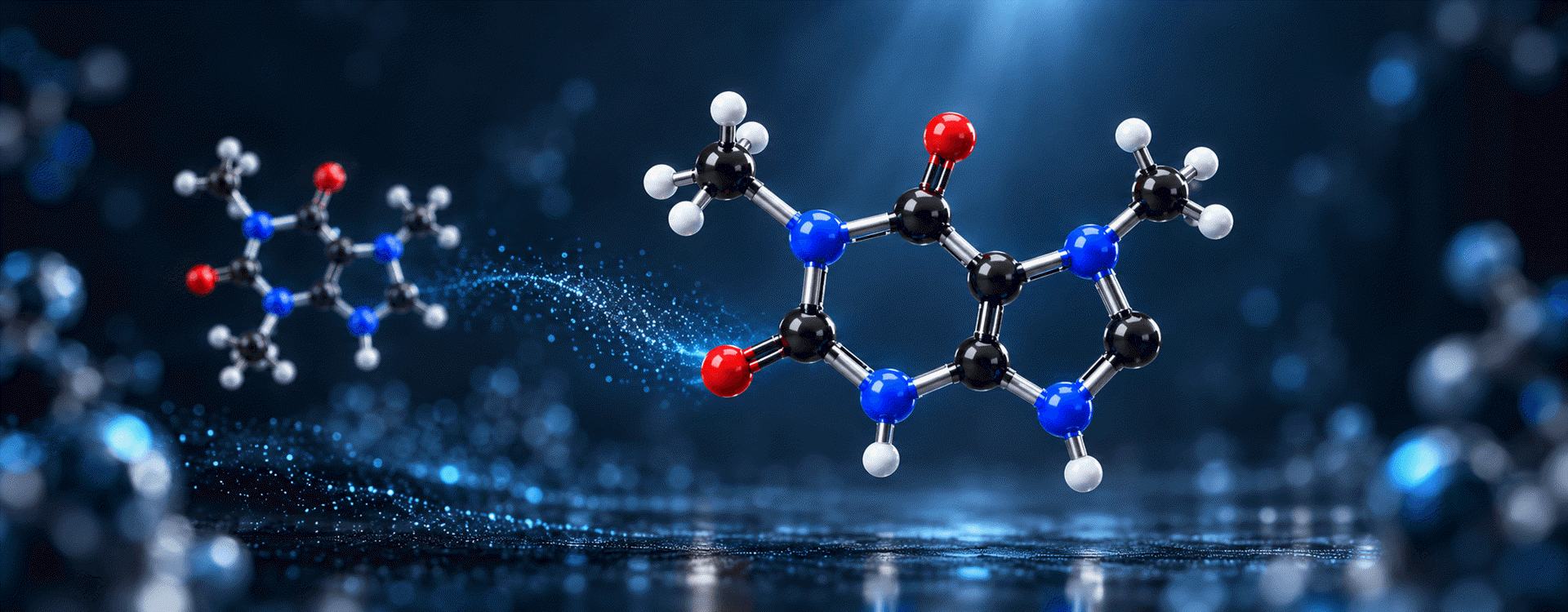 What is paraxanthine, and where does it come from?Posted in: Science Hub
Most descriptions of paraxanthine begin by calling it a caffeine metabolite and move on. That phrasing undersells the point. Paraxanthine is not a minor by-product of caffeine metabolism — it is, quantitatively, what caffeine mostly turns into, and it is present in the bloodstream of habitual coffee drinkers at higher concentrations than caffeine itself.
Read more -
 Nicotine withdrawal timeline: What recovers, and whenPosted in: Science Hub
Nicotine receptor changes fully reverse in about three weeks. Brain imaging in people who quit shows receptor binding peaking around day 10 of abstinence — higher than when they were using — then returning to non-user levels by day 21. Withdrawal symptoms peak in the first week and resolve over two to four weeks. This is a short, defined process with an endpoint, which is not how it feels from inside week one.
Read more -
 Does nicotine improve focus? What the clinical trials actually foundPosted in: Science Hub
Yes — nicotine measurably improves attention, fine motor performance and short-term memory, and this holds in people who have never used it, so it is not simply the relief of withdrawal. The effect is real but modest: the largest measured benefit, on short-term episodic memory, is an effect size of 0.44. The harder question is what happens to that benefit over months, and what it costs to keep.
Read more -
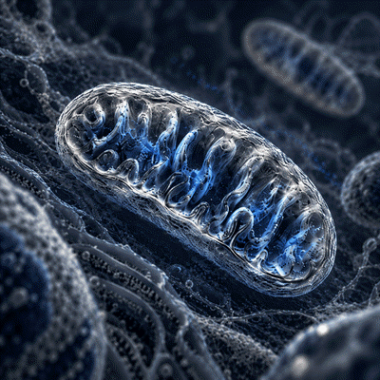 Methylene Blue vs NAD+: Which one actually works with Your mitochondria?Posted in: Science Hub
Both get lumped together online under "mitochondrial support" — but mechanistically, they do almost opposite jobs, and mixing them up matters. Quick answer: NAD+ precursors resupply a natural fuel source for a healthy electron transport chain. Methylene blue is a synthetic dye that reroutes electrons around a blocked part of the chain. They are not interchangeable tools.
Read more -
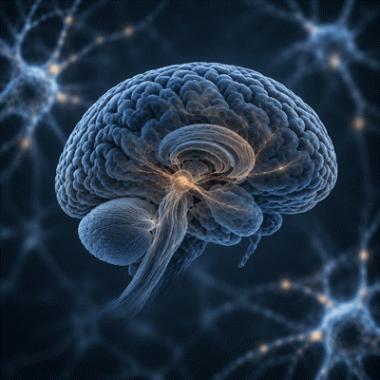 NAD+ and dopamine: what happens after your brain uses itPosted in: Science Hub
Dopamine gets all the attention. Its breakdown products get almost none — and one of them is where NAD+ quietly earns its reputation in brain science. Almost every conversation about dopamine is about how to get more of it. Focus, motivation, drive, reward. Far fewer people ask the question that matters just as much for long-term brain health: what happens to dopamine once the brain has finished using it? The answer runs through NAD+ — and it is the most direct link between a molecule usually...
Read more -
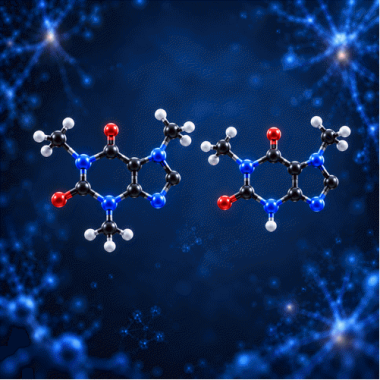 Paraxanthine vs Caffeine: What actually separates themPosted in: Science Hub
Paraxanthine and caffeine differ by the position of a single methyl group. Caffeine is 1,3,7-trimethylxanthine; paraxanthine is 1,7-dimethylxanthine. On paper the two molecules are near-twins. In practice that one structural difference produces several measurable pharmacological ones, and a few of them run in the opposite direction to what the marketing suggests.
Read more -
 Are nicotine pouches bad for you? What the evidence actually showsPosted in: Science Hub
Nicotine pouches remove the smoke, the tar and the tobacco leaf, which removes the largest sources of cancer risk in cigarettes. But they are not a low-dose product. Independent laboratory measurements show a strong pouch delivers roughly double the peak blood nicotine of a cigarette. For someone who already smokes, switching is a meaningful reduction in harm. For someone who does not, a pouch is not a mild habit. That distinction - smoker versus non-smoker - decides almost every honest...
Read more -
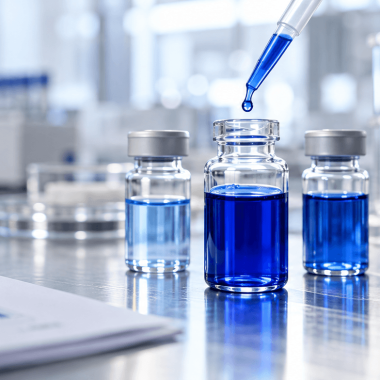 Methylene blue buying guide: FDA warnings, grades, and what you should check firstPosted in: Science Hub
The same three words, "methylene blue," describe a £6 aquarium bottle, a lab reagent, and a pharmacy-compounded medicine — and the label rarely tells you which one you're actually holding. Quick answer: Methylene blue quality ranges enormously by grade. The FDA treats health-claim products as unapproved drugs, and only USP (pharmaceutical) grade is manufactured and tested to standards appropriate for internal use.
Read more -
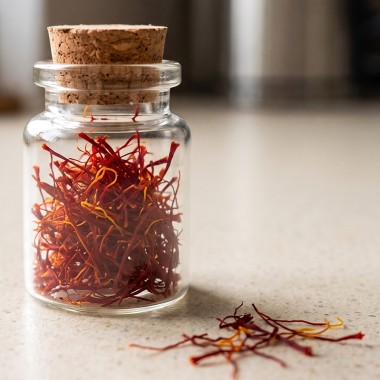 Saffron and Women’s Mood: What the Randomised Trials Actually ShowPosted in: Science Hub
Saffron is one of the few botanicals with placebo-controlled trials in PMS and perimenopause. Here is what those trials found, what they failed to find, and what a label should tell you.
Read more -
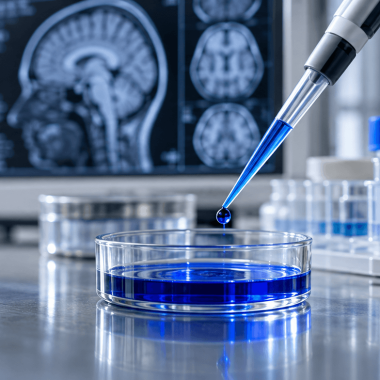 Methylene blue and the brain: what the biggest clinical trial ever run actually foundPosted in: Science Hub
It sharpens memory and revs up mitochondria in rats at tiny doses. Then the largest, most expensive human trial ever built to test that exact idea came back negative. Methylene blue shows genuine cognitive and mitochondrial effects in animal studies at very specific low doses, but three large human Alzheimer's trials found no meaningful cognitive benefit over a low-dose comparator.
Read more -
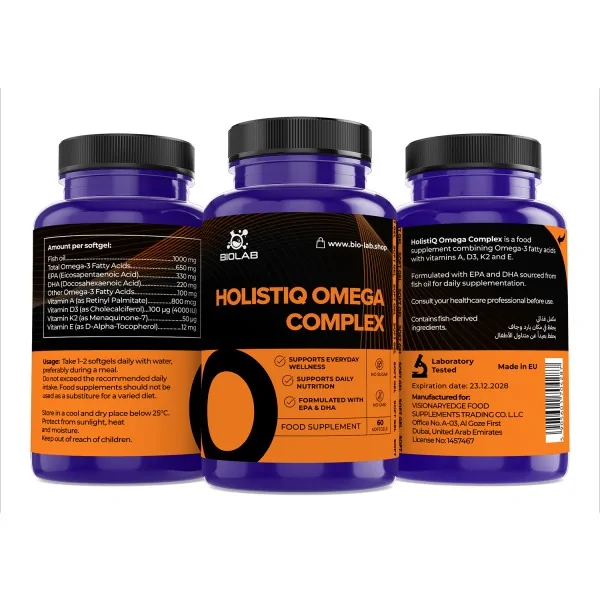
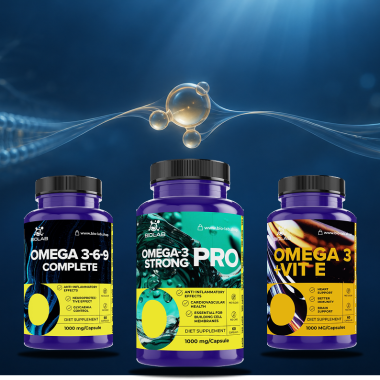 Omega-3 isn't one thing: what EPA and DHA actually do in your body
Most of us think of “omega-3” as a single nutrient — something you get from a fish-oil capsule or a piece of salmon. In reality, the two fatty acids behind omega-3's reputation, EPA (eicosapentaenoic acid) and DHA (docosahexaenoic acid), behave less like interchangeable teammates and more like two specialists with entirely different jobs. Understanding that difference changes how we think about dosing, product formulation, and what a given “omega-3 benefit” is actually coming from.
Read more -
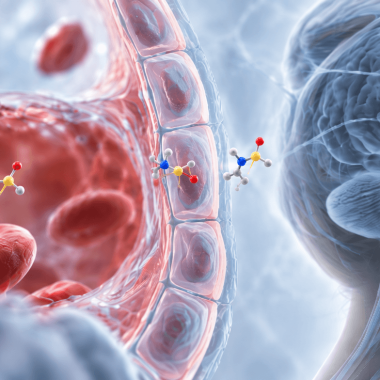 NAC and the brain: does it really cross the blood-brain barrier?
Most antioxidants stop at the door to your brain. NAC has a keycard. Here's what that actually means in practice.
Read more -
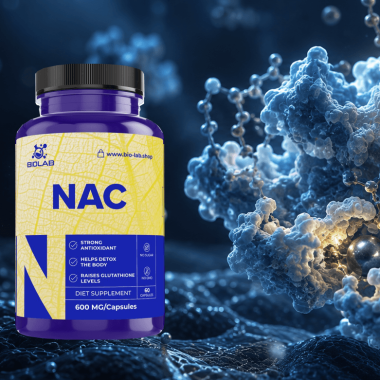 NAC and metal detox: realistic protection, not a magic cure
Detox supplements love big promises. Here's what NAC can honestly claim about heavy metals — and where the evidence runs out.
Read more
Explore topics
Articles are for educational and informational purposes only. The substances described, including dietary supplements and peptides, may not be suitable for human consumption. The information contained in these articles should not be considered medical, pharmaceutical, or dietary recommendations.Popular posts
-
 Simple and easy weight loss rules for women10/26/2023Posted in: DietThe fight against excess weight can be long and arduous. The whole process requires not only self-discipline, but...Read more
-
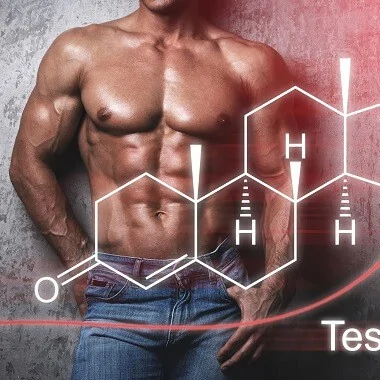 How to increase testosterone levels?Testosterone is one of the most important male hormones responsible for many functions in the body. It affects, among...Read more
-
 AAKG – facts and myths10/26/2023Posted in: TipsAAKG, or L-arginine alpha-ketoglutarate, is a dietary supplement that is popular among physically active people...Read more
-
 Are you supplementing smart? 10 power combos for daily well-being07/31/2025Posted in: TipsA supplement capsule can be more than just a dose of health. It can be an impetus for deeper change. But did you know...Read more
-
 Which supplements for weight loss - what's the best choice?07/12/2023Posted in: TipsWeight loss is a process whose effectiveness depends on the calorie deficit developed. The most important issue is...Read more
Newsletter
Get a discount on your first order

Expert in supplementation and innovative health, fitness, and beauty solutions.

Offer
Offer Our company
Our company Contact
E-mail address
[email protected]
WhatsApp
+44 739 8562 456ⓒ 2026 Biolabshop. All rights reserved. -
- Peptides Peptides
- Nootropics Nootropics
- Amino acids Amino acids