

-
- show all
-
Trending Now
- Amino acids Amino acids
-
- show all
-
Trending Now
- Nootropics Nootropics
-
- show all
-
Trending Now
- Peptides Peptides
-
- show all
-
- show all
-
Type
- show all
- 5-amino 1MQ
- ACTH 1-39
- Adamax
- Alarelin
- AOD-9604
- ARA 290
- ARG-BPC
- B7-33
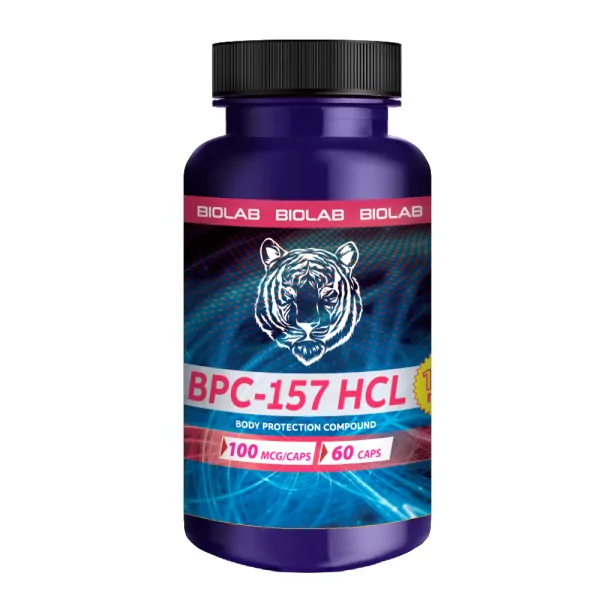
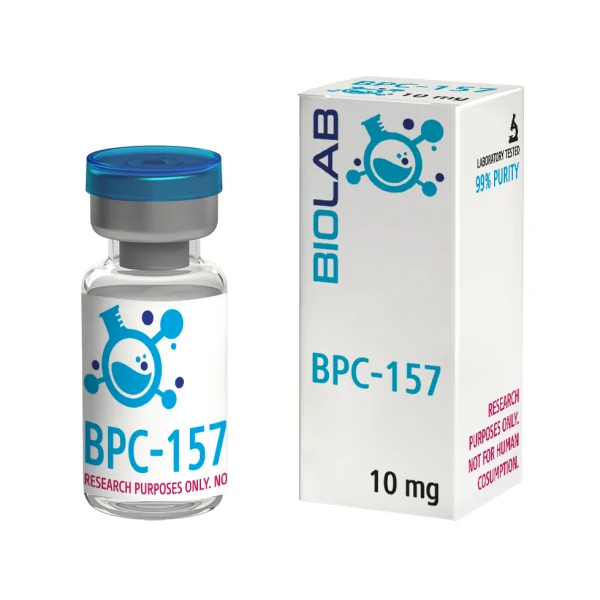
- BPC 157
- Show more
- Bronchogen
- Cardiogen
- CJC-1295
- CJC DAC
- Cortagen
- DSIP
- Epithalon
- GC-1 SOBETIROME
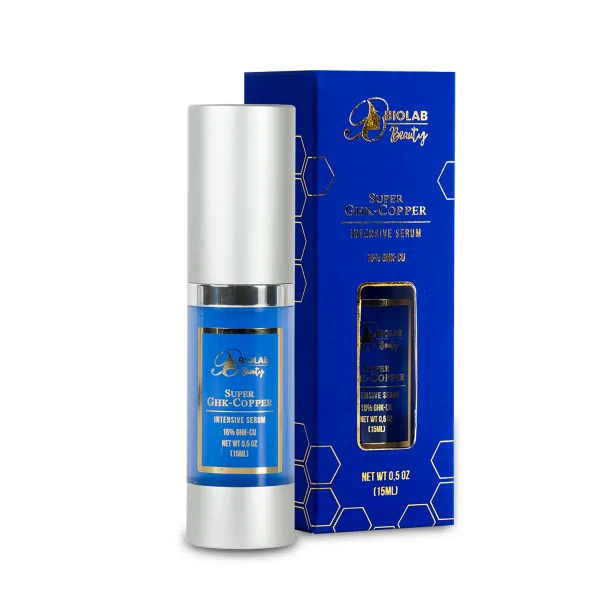
- GHK-Cu
- GHRP-2 – Growth Hormone Releasing Peptide
- GHRP-6 – Growth Hormone Releasing Peptide
- GLP-1 – Glucagon-Like Peptide Supplement
- GRF – Growth Hormone Releasing Factor Supplement
- HGH – Human Growth Hormone Supplement
- HGH fragment 176-191 – Human Growth Hormone Fragment 176-191 Supplement
- IGF-1 LR3 - Insulin-like Growth Factor-1 LR3 Supplement
- IGF DES – Insulin-like Growth Factor DES Supplement
- Ipamorelin
- Kisspeptin
- KPV
- Larazotide acetate
- Lipotropin
- LL-37
- Livagen
- L21
- Matrixyl
- Melanotan
- Melanotan 2
- Mots
- N-acetyl
- Oxytocin
- P-21
- Pancragen
- PEG-MGF
- Prostamax
- PT-141
- Retatrutide
- Selank
- Semax
- Sermorelin
- SLU-PP-332
- Snap 8
- TB-4 FRAG+BPC-157 ARG
- TB-500
- Thrombin peptide Tp508
- Thymogen Alpha-1
- Thymosin Alpha 1
- TRH
- Thymalin
- Thymosin
- VIP
- Sarms Sarms
- Cosmetics Cosmetics
Peptides
Chemical organic compounds formed by connecting two or more amino acid molecules with a peptide bond. In our body, peptides are produced during the biosynthesis of proteins in a process called translation, and they can also be obtained through chemical synthesis.
Total: 110 productsActive filters
Related posts
An Exquisite Selection of Peptides in the UK
At BIOLAB, our diverse peptides for sale in the UK stand a cut above the rest, catering to many research needs. Our steadfast commitment to maintaining an inventory of the highest quality peptides has established us as a trusted provider in this field. Our meticulous effort in sourcing and providing our peptide collection is a testament to our unwavering commitment to three core principles: quality, research, and the broadest range in the market.
Quality First: The Best Peptides in the UK
When it comes to peptides, quality is paramount. This is a conviction deeply rooted in our ethos. As we navigate the intricacies of the peptide market, we remain unflinchingly dedicated to supplying nothing but the best peptides in the UK. Quality isn't just a checkbox; it's an all-encompassing approach defining every aspect of our operations.
Each peptide we offer undergoes meticulous scrutiny, tested systematically in established laboratories to ensure the highest standards. Our unwavering commitment to such high-quality thresholds has seen us carve out a significant position in the market, distinguishing us as a leader in providing peptides.
Transparent and Reliable: Peptides at Their Best
An uncompromising commitment to transparency defines our approach to selling peptides in the UK. Far from shying away from questions about research and product quality, we actively embrace this dialogue, systematically presenting the test results of our products conducted in independent labs.
Our transparent approach extends to our product offering, with each peptide's concentration detailed explicitly. For example, our 'HPLC' test doesn't merely disclose the product's purity but also reveals its concentration. We don't just tell you about our quality. We show it to you, reinforcing the high standards and integrity that underscore our business.
Value for Money: Affordable Peptides for Sale in the UK
At BIOLAB, we're firm believers that quality and affordability can and should coexist. This philosophy underpins our pricing strategy, as we offer peptides for sale in the UK at prices that deliver undeniable value for money. By ensuring our highly competitive prices, we ensure that our superior-quality peptides remain accessible to all researchers.
Our product range stands as one of the largest in the market. No matter the nature of your research, you're certain to find the precise peptide you require within our comprehensive collection, all priced reasonably to provide unrivalled value.
Unwavering Quality Assurance: Rigorous Testing of Peptides in the UK
Offering best peptides in the UK is only a fraction of what we do at BIOLAB. In addition to our extensive product range, we assure rigorous testing protocols conducted in professional protein and peptide analysis laboratories.
Our stringent testing standards ensure that every single peptide that we offer meets, if not exceeds, the high-quality expectations we've set for ourselves and that our customers rightfully demand. With BIOLAB, you're not merely buying a product but investing in a guarantee of uncompromised quality.
Putting Customers First: BIOLAB and UK Peptides
Our unwavering commitment to our customers underpins our reputation in the UK-peptides market. Our customer-centric approach ensures that your needs and expectations are at the forefront of our operations. Our rapidly growing and increasingly loyal customer base is a testament to this commitment. It's the result of our relentless focus on quality, diversity, and customer satisfaction.
Driven by Research: A Broad Range of Peptides for Sale
Our unyielding commitment to research sets us apart in the peptides for sale sector. More than just providers, we consider ourselves pioneers, consistently seeking to broaden our horizons and expand our product range.
This dedication to continuous improvement and development allows us to provide one of the biggest selections of peptides on the market. Our commitment to research ensures that our customers have access to a wide array of peptide options, catering to the diverse needs of researchers in the UK.
Choosing BIOLAB for Your Peptide Needs: Quality, Transparency, and Trust
Selecting BIOLAB for your peptide needs signifies more than just a purchase. It's a decision to partner with a provider that champions quality, transparency, and research. As a well-recognised provider of peptides in the UK, we distinguish ourselves with our extensive product range and competitive pricing structure. At BIOLAB, we employ the HPLC method, a gold standard in analytical chemistry, ensuring accuracy and precision in our tests. This technique helps identify the components in our samples and guarantees that the labels on our products genuinely reflect their contents.
With us, you're not merely buying peptides. You're investing in a commitment to quality and trust and building a relationship with a provider that prioritises your needs. Your research is important, and it deserves nothing less than the best. That's precisely what BIOLAB delivers.
Do peptides need to be kept in the refrigerator?
Dissolved (that is, already dissolved) peptides should be kept in the refrigerator. A similar rule also applies to cosmetics with peptides. Not only low temperature is important here, but also protection from light and shock, hence it is not recommended to keep peptides on the refrigerator door.
What are peptides made of?
Peptides are formed from amino acids, linked together by a peptide bond. For a peptide to form, there must be at least two amino acids. This process can occur naturally or synthetically, i.e. in laboratory conditions, through protein synthesis.
What to mix peptides in?
Peptides should be diluted in bacteriostatic water or saline solution, which is added to the vial with the powdered peptide. It is worth remembering that peptides should not be shaken or intensively mixed. Instead, it is advisable, for example, to roll them gently in the hands.
The website is for informational and educational purposes only, and the products sold on it are intended for laboratory testing only. The authors of the texts are not responsible for the consequences of using the products, and users use them at their own risk. The site does not recommend or urge the use of its products on humans or animals.
Newsletter
Get a discount on your first order

Expert in supplementation and innovative health, fitness, and beauty solutions.
Offer
Offer Our company
Our company Contact
E-mail address
info@biolabshop.eu
WhatsApp
+44 739 8562 456ⓒ 2026 Biolabshop. All rights reserved. - Peptides Peptides
- Nootropics Nootropics
- Amino acids Amino acids