




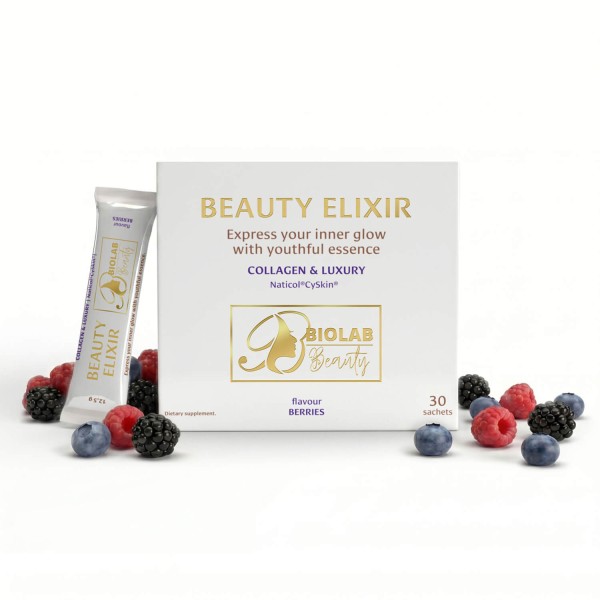




Collagen is a unique protein essential for metabolic and mitochondrial abundance. Collagen supplementation can offer comprehensive benefits for the skin, joints, bones, muscles, hair, nails, digestion, and overall health. However, it is important to incorporate collagen into a balanced diet rich in other essential proteins to maximize its benefits.
-
 Feeling disappointed with collagen? Avoid these mistakes!Read more
 -
 Allergy under control – Discover natural ways to support the protective barrierRead more
As allergy season approaches, more and more people are looking for effective methods to relieve their allergy symptoms. Dietary supplements such as quercetin, fisetin, omega acids, NAD+, and calcium are gaining importance as alternatives or complements to traditional antihistamines. In this educational section, we will take a closer look at how these supplements work, their metabolic pathways, and the ways in which they can support the body in fighting allergy symptoms.
-
 Matcha: How to get the most out of It?Read more
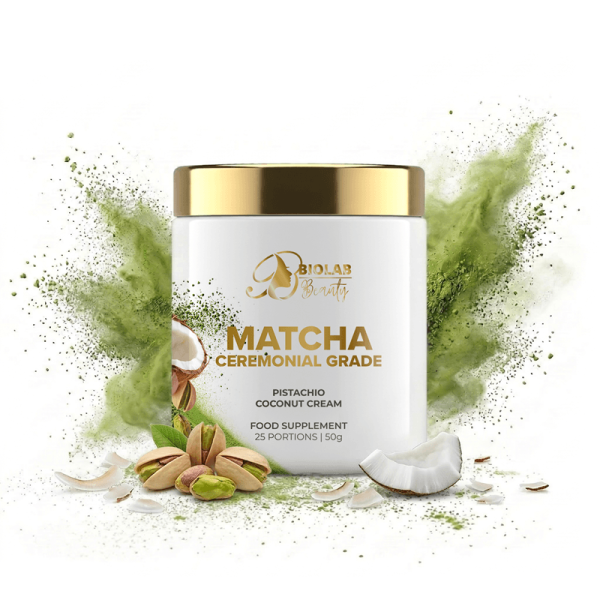
Matcha improves memory, focus, and may even delay neurodegeneration – it sounds like the ultimate superfood. However, in excess, it can disrupt vital metabolic processes and even work against your cells. Before you reach for another serving, discover the mechanisms that determine whether matcha is working for or against you.
-
 Prebiotics vs. probiotics: what’s the difference and why it mattersRead more
Tired of hearing about “good bacteria” but still unsure what they actually do? Many people take supplements without knowing if they need bacteria, fibre that feeds them, or both. Understanding the difference can change how you approach digestion, immunity, and daily comfort.
-
 Top peptides used in hair care and how they workRead more
Hair thinning rarely starts suddenly. It usually develops slowly, linked to scalp conditions, follicular activity, and changes in protein structure. Peptides have gained attention because they interact directly with these processes. Understanding how they function helps you choose solutions based on mechanism, not marketing claims.
-
 Essential vitamins for athletes: what your body really needs to performRead more
Hard training, strict meal plans, constant progress tracking… yet performance sometimes stalls. In many cases, the missing link is not more calories or harder sessions, but micronutrient balance. Intense exercise increases nutrient turnover, sweat loss, and metabolic demand. If intake does not match output, recovery slows and energy drops.
-
 Best supplements for women with PCOS: what does the science say?Read more
PCOS often raises many daily questions: energy swings, skin changes, appetite shifts, and irregular cycles. Many women start looking at nutrition before anything else. Supplements appear in that search very quickly… yet not every option works the same, and some are often misunderstood.
-
 Vitamin A in skincare: where does retinol fit in?Read more
Tried a new cream and noticed peeling, redness, or sudden smoothness? The active ingredient might be vitamin A. Few skincare compounds raise as many questions as retinol. Is it the same thing? Is it stronger? And how does it relate to supplements taken orally? Let’s clarify the facts.
-
 Women’s Supplementation in Focus: Q&A with a Biolab ExpertRead more
The end of "unisex" supplementation - discover how a woman’s cyclical biology and unique hormonal profile are setting new standards for health and metabolism. Our expert, Aleksandra Duba, explains how to effectively support the body through stress, deficiencies, and mood fluctuations by choosing solutions tailored to your real needs.
-
 The carb-timing strategy: when to eat carbohydrates for maximum energy and recoveryRead more
Most individuals are aware that carbohydrates are a key energy source, but few consider the timing of their intake. The strategic use of carbohydrates during physical activity can significantly affect energy availability, exercise performance, and post-exercise recovery.
-
 What are superfoods, and why should you eat them?Read more
Eating well is not only about limiting harmful ingredients, but also about introducing beneficial ones. One such category gaining popularity is the superfood: a term widely used to describe nutrient-dense foods with potential health-supporting properties.
-
 The ultimate guide to workout energy boostersRead more
Low energy levels during physical training are a common challenge, especially when workouts become more intense or more frequent. This guide explains how the right supplementation, when used strategically, can support mental focus, physical output, and training consistency.
-
 Electrolytes for endurance: optimizing performance in long-distance activitiesRead more
Fatigue, cramping, and energy drops during endurance training are often attributed to poor fitness or nutrition, but in many cases, the underlying issue is inadequate mineral balance. Maintaining optimal electrolyte levels is a fundamental part of performance management in long-distance sports and training.
Explore topics
Articles are for educational and informational purposes only. The substances described, including dietary supplements and peptides, may not be suitable for human consumption. The information contained in these articles should not be considered medical, pharmaceutical, or dietary recommendations.
Popular posts
-
 Simple and easy weight loss rules for womenThe fight against excess weight can be long and arduous. The whole process requires not only self-discipline, but...Read more
 -
 AAKG – facts and mythsAAKG, or L-arginine alpha-ketoglutarate, is a dietary supplement that is popular among physically active people...Read more
 -
 How to increase testosterone levels?Testosterone is one of the most important male hormones responsible for many functions in the body. It affects, among...Read more
 -
 Are you supplementing smart? 10 power combos for daily well-beingA supplement capsule can be more than just a dose of health. It can be an impetus for deeper change. But did you know...Read more
 -
 How to lose weight effectively?Successful weight loss does not at all require sacrifices, catcalling at the gym and giving up all your favorite...Read more