











Peptides for joints and injuries






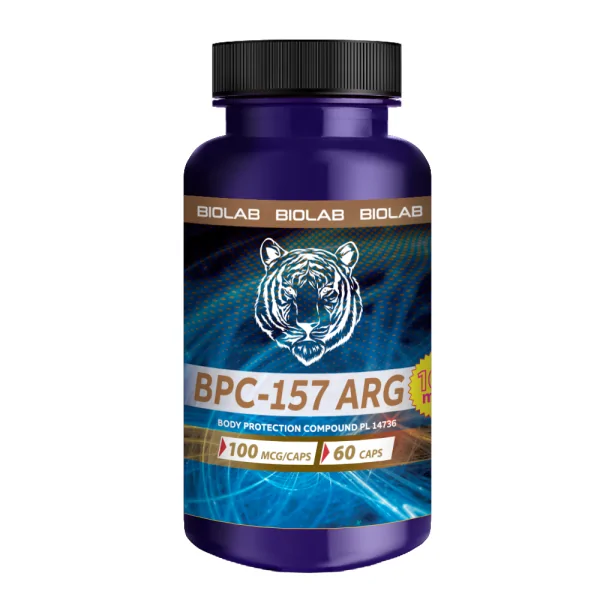
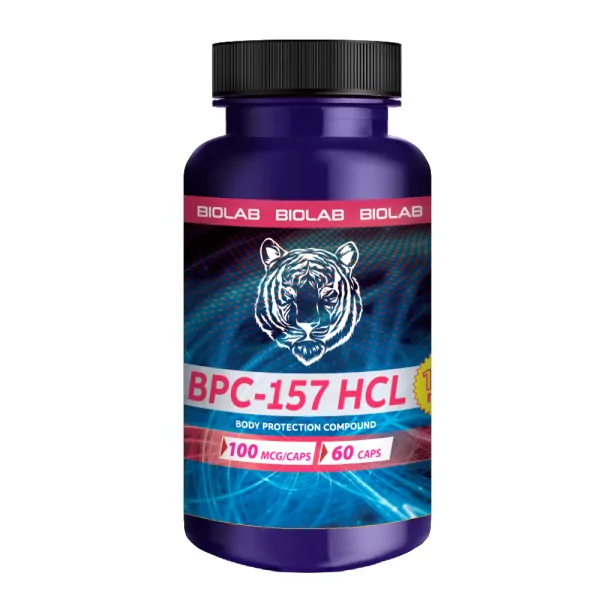

Contrary to appearances, joint pain is a problem not only for the elderly. Increasingly, it is young people who are complaining of degenerative changes. Their most common causes include overload, injury, disease, as well as too little or too much (i.e. inappropriately implemented) physical activity.
It is definitely worth reacting as soon as possible to the first symptoms and not ignoring the pain - this way you can prevent unpleasant consequences of developing joint disease. One of the solutions that will support you in this may be peptides for joints.
What are peptides for joints?
Peptides are organic chemical compounds, made up of amino acids linked by peptide bonds. Their function - in simple terms - is to transmit messages between different cells of the body and thus coordinate and initiate important body processes.
As the action of peptides has a sizable and positive impact on many aspects of health, mankind has learned to produce them in laboratory conditions. Depending on the specific peptide, they can be helpful, for example, in the development of muscle mass, prevention of wrinkles, prevention of excessive hair loss or just in the field of joint therapy.
How does peptide joint therapy work and which peptide for joints is the best?
Among the many peptides available in the Biolab store, you will also find peptides for joint strengthening. Check out the properties of some of them:
BPC-157
This is a peptide composed of 15 amino acids, whose properties accelerate the healing of tendon wounds, muscles and damaged ligaments. It also has an analgesic effect and aids regeneration processes. In our offer you will find it both in the form of capsules, spray and powder.
KPV
KPV is a peptide naturally produced by the human body and exhibits potent anti-inflammatory effects, as well as accelerating wound healing and reducing various infections.
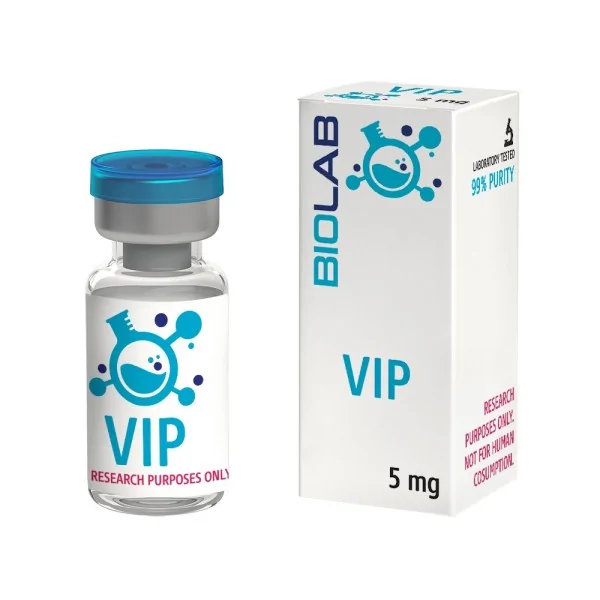
VIP
Vasoactive intestinal polypeptide (VIP from Vasoactive intestinal peptide), in addition to its salutary effects on the digestive system, can also help control arthritis and inhibit destructive processes in cartilage or bones. It also acts as a deactivating agent for macrophages (feeding cells).
TB-500
Thymosin's synthetic equivalent is also a peptide for joints. In the body, it can reduce the risk of injury, but also serve to regenerate muscles, joints, ligaments, bones or tendons.
Melanotan-2
Melanotan-2 is a synthetic hormone analogue that stimulates alpha melanocytes, and at the same time has a strong anti-inflammatory effect, which is of particular importance in case of joint problems, among others.
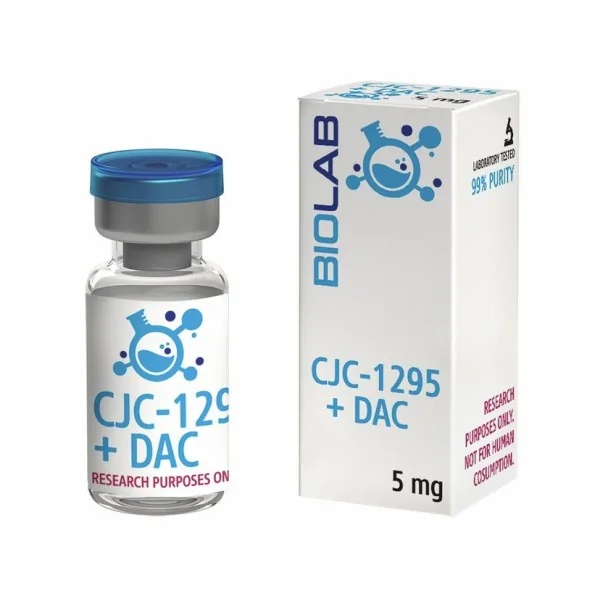
CJC-1295
It belongs to the group of so-called growth hormone analogues, which means that it stimulates its secretion. It contains more than 30 amino acids in its composition, and bases its action on, among other things, strengthening joints, improving bone density or faster recovery after injuries.
GHRP-6
GHRP-6 is a synthetic growth hormone-releasing peptide, thanks to which it has a positive effect on, for example, joint and tendon regeneration.
In the cases of the aforementioned peptides for joints, the effects are long-term and include:
- improved joint mobility (due to increased viscosity and elasticity of synovium),
- reduced inflammation,
- enhanced bone formation.
Why peptides for joint strengthening?
When it comes to peptides for joints, long-term action is one of their biggest advantages. In addition, peptide joint therapy is a modern and, most importantly, safe solution. After all, it presupposes the intake of substances that are natural, and often synthesized by the human body, although not always in the right amounts.
Peptides are also far less invasive compared to many standard medical remedies, and when used according to the manufacturer's recommendations, they do not show dangerous side effects.
How do peptides promote healing in joint and soft tissue injuries?
Peptides promote healing by mimicking and enhancing the body’s natural processes for tissue regeneration and inflammation control. These compounds are short chains of amino acids that act as messengers between cells. When applied to joint or injury treatment, peptides help stimulate the body to repair damaged tissues more efficiently.
For example, BPC-157, one of the most widely studied peptides for healing, has shown the ability to accelerate the repair of muscles, tendons, ligaments, and joints. It reduces inflammation and promotes angiogenesis (formation of new blood vessels), which is crucial for bringing nutrients and oxygen to damaged tissues. Another peptide, TB-500, works by upregulating actin, a protein involved in cellular movement and healing, aiding in muscle, tendon, and joint repair.
Other peptides like GHK-Cu and KPV provide potent anti-inflammatory benefits, modulating the immune response to reduce swelling, pain, and degradation of cartilage. This not only enhances joint mobility but can prevent long-term degeneration.
Peptides work as precise tools that signal the body to accelerate healing, improve tissue integrity, and reduce inflammation — all without the harsh side effects commonly seen in traditional medications.
Why are peptides used in injury rehabilitation programs?
Peptides are increasingly used in rehabilitation programs because they offer targeted, efficient, and low-risk solutions for tissue repair and inflammation control. Unlike traditional medications that often mask symptoms, peptides support regenerative processes at a cellular level.
Injury rehab typically involves a combination of rest, physical therapy, and sometimes surgery. Peptides like CJC-1295, GHRP-6, or IGF-1 DES can speed up this process by boosting the body’s natural production of growth hormone and enhancing protein synthesis. This results in quicker tissue repair, improved joint function, and reduced downtime.
Peptides such as VIP and ARA-290 have shown potential in controlling inflammatory cytokines and reducing oxidative stress, both of which are major obstacles in healing. Their ability to work alongside the immune system makes them suitable for chronic joint issues and post-injury management.
Many rehabilitation professionals recommend peptide supplementation as part of a broader recovery strategy, especially when a patient’s natural healing capacity is compromised, such as with repeated injuries, overtraining, or age-related degeneration.
Who should consider joint-repair peptides — athletes, older adults, or both?
Both athletes and older adults can benefit greatly from joint-repair peptides, though for different reasons.
Athletes subject their joints and connective tissues to intense, repetitive strain. This can lead to microtears, inflammation, and overuse injuries. For them, peptides like BPC-157, TB-500, or IGF-1 LR3 can help reduce recovery time, protect against injury, and optimise performance through enhanced healing.
Older adults often experience degenerative joint issues due to age-related collagen loss, reduced growth factor production, and inflammation. Peptides such as GHK-Cu, CJC-1295, and KPV support cartilage regeneration, bone density, and reduce chronic inflammation — key concerns in osteoarthritis and age-related joint degeneration.
What’s more, peptides are non-invasive, can be used alongside physiotherapy or medication, and offer a natural alternative to NSAIDs and corticosteroids, which often come with side effects.
Anyone experiencing joint discomfort, recurring injuries, or looking for faster recovery — whether due to intense physical activity or ageing — should consider exploring peptide therapy as a part of their wellness or rehabilitation routine.
Related posts


The website is for informational and educational purposes only, and the products sold on it are intended for laboratory testing only. The authors of the texts are not responsible for the consequences of using the products, and users use them at their own risk. The site does not recommend or urge the use of its products on humans or animals.

Expert in supplementation and innovative health, fitness, and beauty solutions.
BOLSHOP LTD
Company No: 16863514
Address: Flat 3, 19 Florence Road, Bournemouth, England, BH5 1HH

E-mail address
info@biolabshop.eu