Vitamin B1 (Benfotiamine) – Natural Energy Replenishment and Nerve Protection
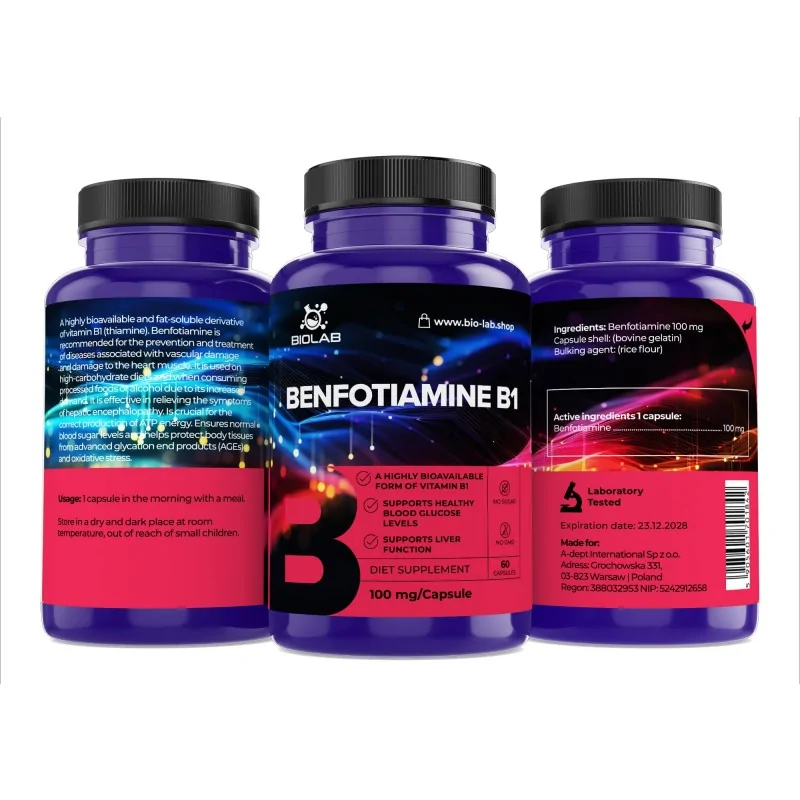
Benfotiamine is a synthetic derivative of thiamine (vitamin B1). It is designed to increase its absorption and effectiveness in the body. Unlike conventional thiamine, which is water-soluble, benfotiamine is lipid-soluble. This characteristic allows it to penetrate cell membranes more efficiently, resulting in better delivery of the vitamin to the body's tissues.

Key Features of Benfotiamine:
- High Bioavailability: An excellently absorbable form that bypasses the barriers limiting traditional thiamine.
- Glycation Inhibition (AGEs): Supports the body in reducing Advanced Glycation End-products that form under elevated sugar levels.
- Neurological Support: Helps protect nerve cells from oxidative stress and supports proper nerve conduction. Crucial for the efficient conversion of carbohydrates into clean energy (ATP).
- Vascular Protection: Promotes the maintenance of proper endothelial function and cardiovascular health.
Mechanisms of Action and Physiological Benefits:
Support Under Glycemic Load: Benfotiamine is valued for its ability to modulate metabolic processes resulting from dietary sugars. By supporting natural enzymatic pathways, it helps protect sensitive tissues – including small blood vessels and nerve fibers – from the negative effects of excessive protein glycation.
Nervous System Protection: Due to its superior penetration into nerve structures, benfotiamine supports the regeneration and proper function of peripheral nerves. It helps maintain sensory comfort in the limbs and supports the efficiency of nerve impulse transmission.
Metabolic Health and Insulin Sensitivity: By facilitating carbohydrate metabolism, benfotiamine plays a vital role in energy production processes. It helps the body manage glucose resources more efficiently, leading to more stable energy levels and overall metabolic support.
Cardiovascular Condition: Supports blood vessel health by limiting oxidative stress. It helps maintain vascular elasticity and supports the heart in its daily function.
Role of Vitamin B1 and Effects of Low Levels:
Vitamin B1 is essential, and its optimal levels determine the efficiency of many systems. Insufficient dietary thiamine intake may manifest as:
- Chronic fatigue and physical weakness.
- Sensory issues in limbs (tingling), muscle weakness, and coordination difficulties.
- Difficulties with concentration, memory, and mood decline.
- Heart rhythm disturbances and a tendency for fluid retention.
- Loss of appetite and slowed metabolic processes.
By choosing Benfotiamine 100 mg, you are investing in one of the best-researched forms of Vitamin B1. This product is for those prioritizing metabolic prevention, athletes, and anyone looking to protect their nervous system from the effects of a modern diet and oxidative stress. Thanks to its excellent lipid solubility, every dose effectively reaches the cells, offering protection and energy where they are needed most. Take care of your nerves and blood vessels with the precision offered by modern science.















Your review appreciation cannot be sent
Report comment
Report sent
Your report cannot be sent
Write your review
Review sent
Your review cannot be sent
Customers who bought this product also bought:
Just Whey! whey protein...
191Aminoacids Sequence 100iu
Oxytocin 10 mg
Semax spray 50 mg
Methylene blue 10 mg, 60 caps
No Mercy Pre-Workout mix...
AAKG powder, 500g
Neuro-Syntec 10 mg, 30 caps
Blog
Newsletter
Get a discount on your first order
Expert in supplementation and innovative health, fitness, and beauty solutions.
Category
Offer
Our company
E-mail address
info@biolabshop.euWhatsApp
+44 739 8562 456